Introduction
Public gardens in the United States are struggling to attract new visitors and members, with many still challenged by lower attendance since the COVID-19 pandemic. This comes at the same time that many communities are feeling the impacts of climate change to a new, alarming degree. While community members may not fully understand the science behind climate change and the full range of related impacts, they certainly experience them in the form of higher energy costs, food access and affordability, air quality, and more.
Based in Columbus, Ohio, the Franklin Park Conservatory & Botanical Gardens is exploring a novel strategy to engage supporters while also addressing the climate crisis.
In 2024, the Conservatory completed a strategic plan. It was through the stakeholder engagement during their strategic planning process that they identified a strong interest in expanding their role in sustainability. Although the Conservatory was already supporting sustainability in certain areas, they did not have an official sustainability plan that would address local climate action, supporting both communities and ecosystems.
As such, the Conservatory invited Sustainable Economies and Tyler Tactics Consulting to facilitate the development of a sustainability plan.
The Solution
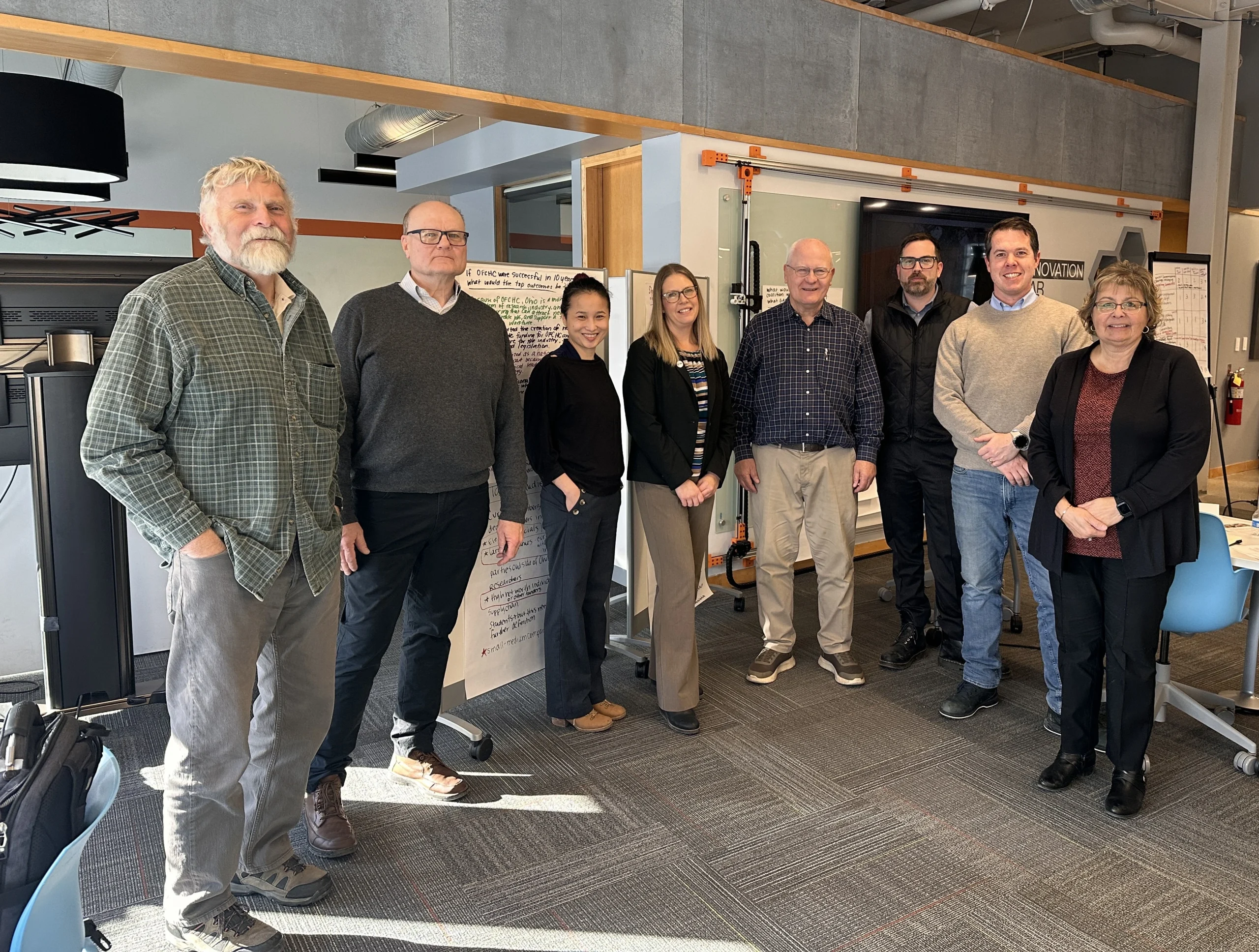
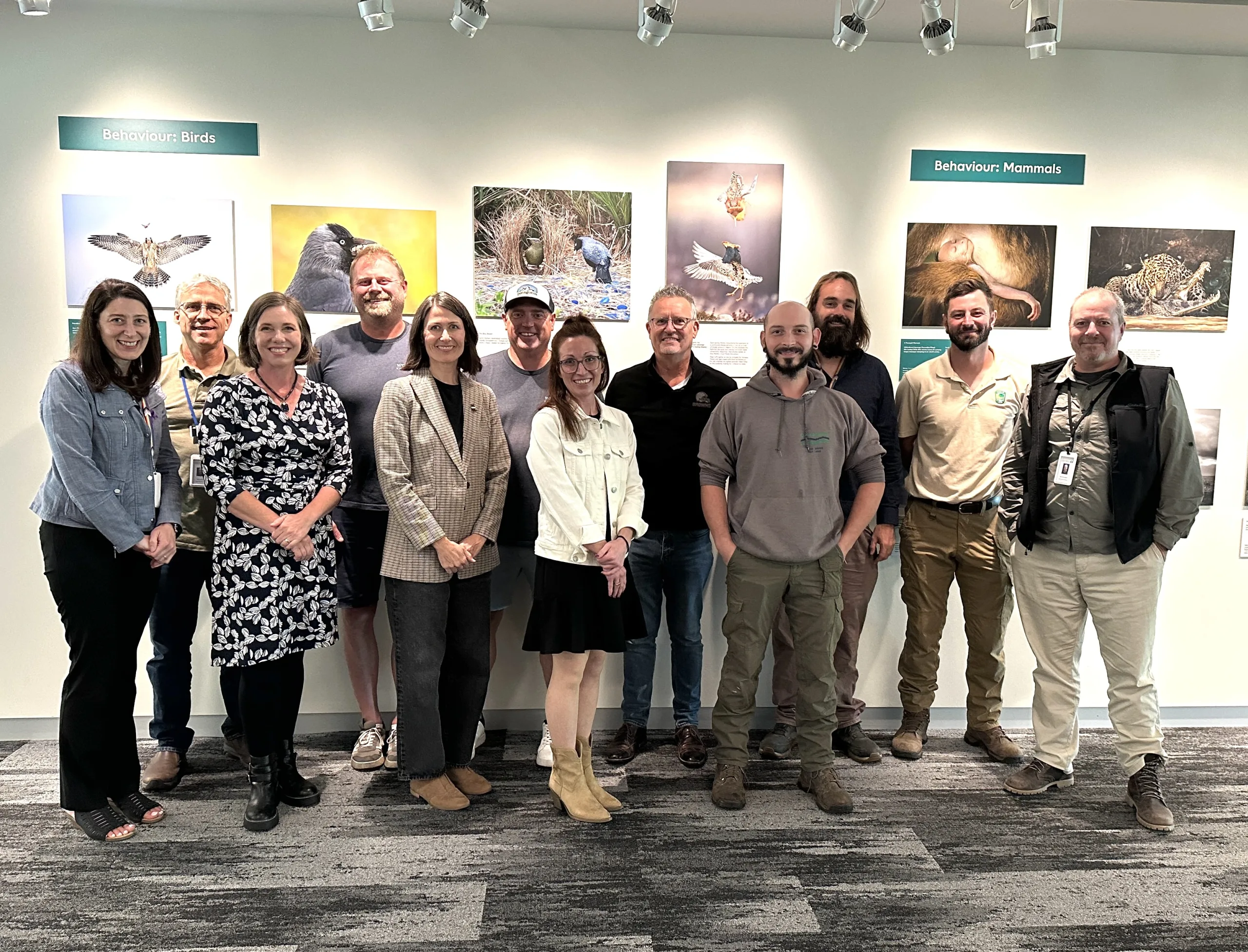
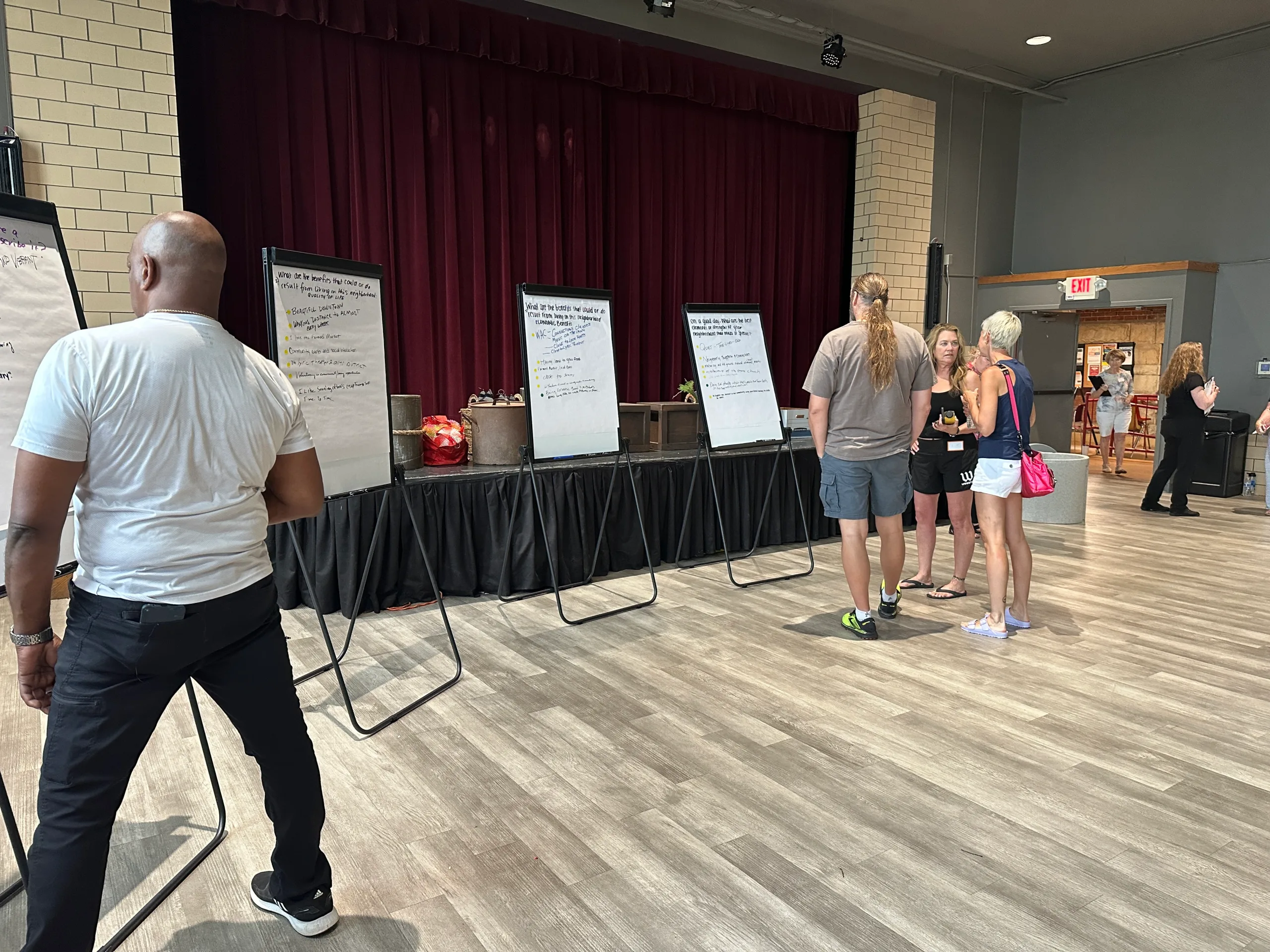
The challenges facing public gardens, communities, and communities require new ways of thinking, expanded collaborations, and a long-term vision for a better future. For this reason, the Conservatory opted for a community-led sustainability planning process with extensive engagement of staff, Board members, community partners, and residents.
To meet that need, we designed a process that:
- Builds on and supports the goals of the Conservatory’s new organizational strategic plan.
- Integrates outcomes for human well-being, the local economy and conservation.
- Results in organization-wide sustainability priorities that helps all FPC programs and departments work together around shared tactics.
- Help increase emphasis on FPC as a tourist destination, which in turn bolsters the local economy and supports spending at local restaurants, stores and hotels.
- Help elevate FPC as a known expert in environmental sustainability and a place where visitors can learn more about applying sustainability practices in their own lives.
- Supports existing regional goals & targets – such as the Columbus Climate Action Plan – to help encourage more scalable impact.
The Results
The extensive stakeholder engagement resulted in many insights and a better, more impactful plan. Key themes from the feedback included:
- Strong engagement & positive reception: Participants were highly engaged across multiple phases of planning and noted their support of the Conservatory’s expanded role
- Community-centered approach: Moving forward, participants recommended a continued focus on connection, accessibility, and honoring community knowledge
- Partnership & collaboration: Nonprofit and public sector leaders indicated strong interest in co-creating solutions, both with residents and with other partners
- Education & integration: Sustainability is seen as a tool for culture change that must be embedded across all work
The engagement uncovered a handful of unexpected priorities as well. Going in, the project team anticipated a strong interest in energy efficiency and reduction of carbon emissions. But by far, the highest interest was in food systems, local gardens, locally grown food, and innovative food solutions. Because of the strong stakeholder feedback, and bolstered by the fact that public garden staff have natural strengths and skills in this area, the Conservatory has already expanded their community garden initiative to add a new element: the Urban Garden Leadership Academy.
The Conservatory’s Director of Community Outreach and Education, Jenny Pope, shared a powerful testimonial from a recent leadership academy participant: “I plan to use the skills I’ve gained to search…for space and build a garden around the Local Matters mission of food access and education… I feel much more confident now than I did before the class.”
Further, Pope shared that the Conservatory is already seeing new sources of funding because of the sustainability plan.
“I think the increase in visitation is a long game….The expanded funding, though, is real and happening now. Because of the plan, we have more access to grants and funders who prioritize sustainability.”
Click here to view the Conservatory’s community-led sustainability plan.