Overview
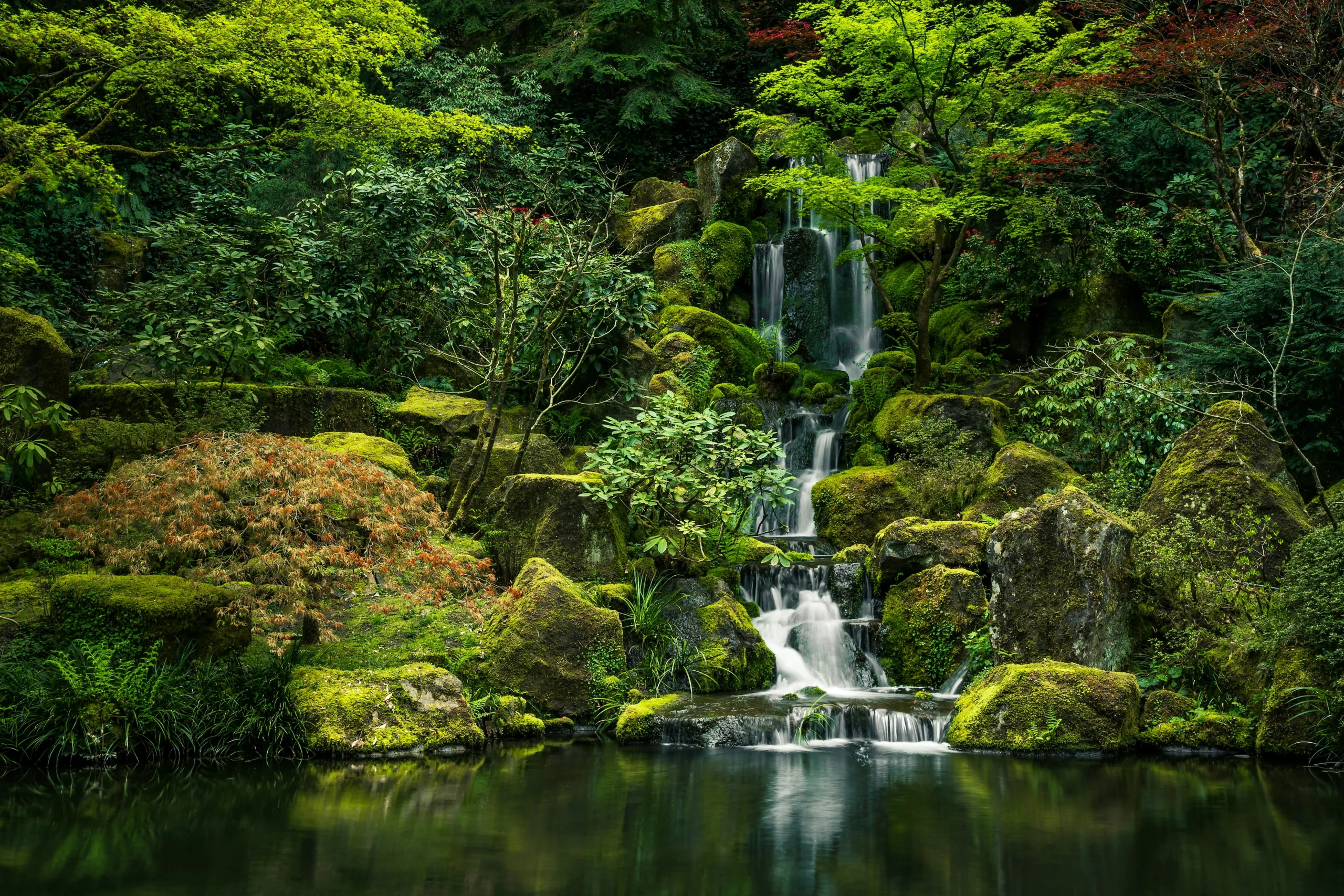
Japanese gardens are living expressions of harmony, tradition, and craftsmanship. The idea for the North American Japanese Garden Association (NAJGA) first came about in 2009, with the organization formalizing their nonprofit status in 2011. In 2021, The Japanese Gardening Organization, Intl. merged with NAJGA to increase the impact of their shared missions. Today, NAJGA is a thriving association that represents the Japanese garden community, including public gardens, private gardens, businesses who support Japanese gardens, and Japanese garden enthusiasts.
Background
In the last five years, annual revenues for the association grew on average by 10% and membership grew by approximately 7.5%. At the same time, many challenges are facing the Japanese garden community. In a recent survey of both members and prospective members:
- 30% stated that the top challenge is: Workforce development and knowledge continuity – A shortage of skilled professionals, leaders, and stewards, along with challenges in preserving specialized expertise, cultural understanding, and institutional knowledge across generations.
In second and third place, with about 20% of respondents selecting each option, additional challenges include:
- Garden maintenance and specialized expertise – Limited access to staff and subcontractors with the specialized expertise needed to support the long-term care and maintenance of Japanese gardens.
- Public awareness and relevance – Misconception that Japanese gardens are not for everyone, combined with an underdeveloped market and limited public awareness across North America.
These findings suggest an urgency to plan for the future and develop a strategy for sustainable growth, while making the link that NAJGA’s strategic direction can have a ripple effect of positive impacts on the entire Japanese garden community in North America. NAJGA partnered with Sustainable Economies to facilitate the strategic planning process.
Our Approach
One of the key challenges was including extensive stakeholder engagement with limited resources. We addressed this by using an iterative approach that gathered diverse perspectives via:
- A virtual discovery workshop, followed by two additional virtual planning workshops
- Interviews with each of the member types
- A survey for both members and prospective members
- A 2-day, in-person strategic planning retreat with the Board
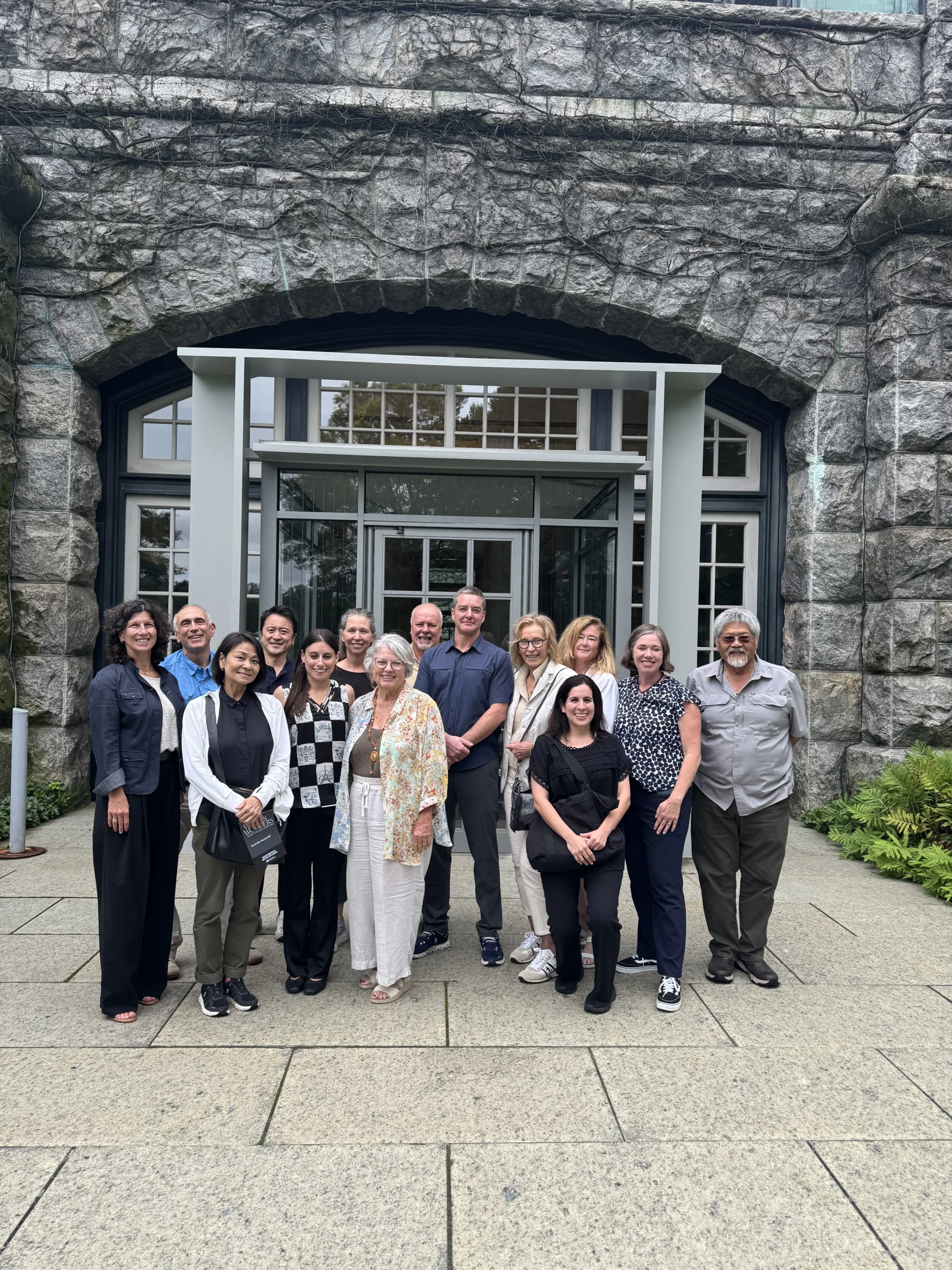
Photo: The photo below shows the participants at the strategic planning retreat, which took place at The Pocantico Center in New York’s Hudson River Valley, next to the renowned Rockefeller Japanese Garden.
Mission Update
One of the elements that the NAJGA founders did well was designing a clear mission statement from the beginning. This mission has guided the association’s strategic direction for more than 15 years. However, during this process, the planning team wanted to assess if the mission is still relevant. As such, members were asked during the interviews:
- What resonates with you the most about the current mission statement?
- Are there any concerns, pieces you just don’t relate to, or key phrases missing from the mission?
The Board learned that the core intention of the mission was still relevant, but there was language that was confusing. Three new versions of the mission statement were shared in the survey for voting , and the mission statement update was finalized at the Board retreat. The updated mission statement is as follows:
NAJGA connects the diverse Japanese garden community through collaboration and support to strengthen the sustainability, enduring value, and social impact of Japanese gardens in North America.
Strategic Plan Development
The virtual planning workshops, interviews and surveys meant that the Board had strong data showing member (and prospective member) needs and preferences. This set the stage for making informed decisions about the long- and short-term goals and priorities during the 2-day retreat. One interesting finding from the survey is that respondents want NAJGA to play an even larger role in supporting industry-wide impacts such as:
- When more visitors understand the cultural mindset, design principles, and historical context of Japanese gardens, they gain deeper knowledge and appreciation of these spaces.
- Elevating the understanding that Japanese gardens are a tool for uplifting people can lead to increased visitation, membership, donors, and long-term financial support for gardens.
This type of feedback from the survey helped the Board cultivate two levels of goals:
- Long-term strategic pillars that show how NAJGA supports the broader Japanese garden community,
- Short-term goals that show how NAJGA can contribute to the longer-term pillars in the next three years.
Another illuminating survey finding was that over 75% of respondents would like to be more involved in shaping the future of NAJGA. Therefore, the final strategic plan document conveys the long-term strategic pillars, 3-year goals, high-level summary of priorities, as well as showing how and where members can become more engaged.
Final strategic plan document coming soon!