Overview
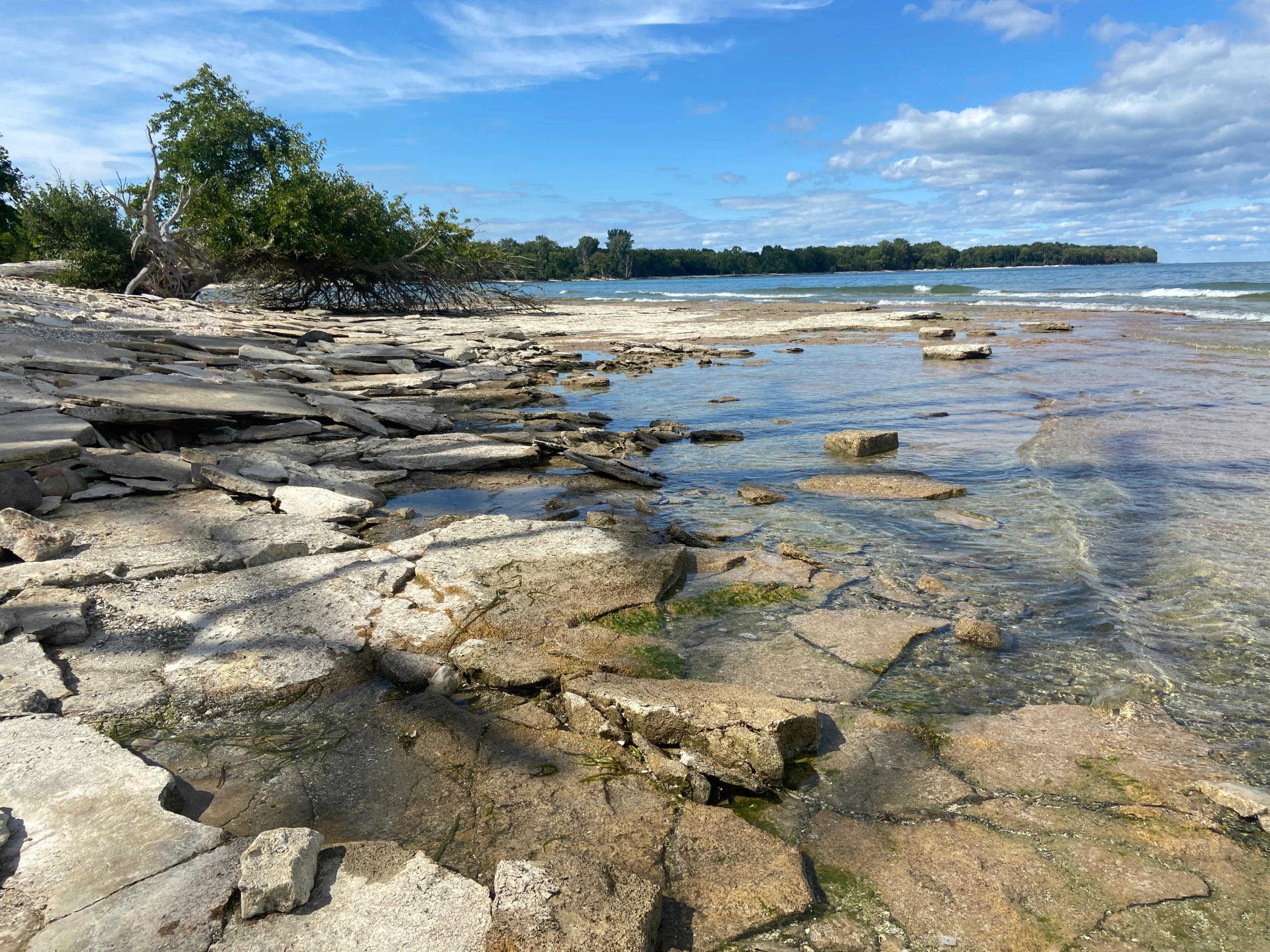
The Cleveland Museum of Natural History first began preserving habitat in 1955 with the creation of a 640 acre nature preserve on Kelleys Island (shown in photo), and their Natural Areas Program was established the following year. Over time, the program grew and today owns and stewards approximately 12,500 acres of pristine habitat for rare and endangered species. The CMNH invited the Sustainable Economies team to facilitate a strategic planning process for the Natural Areas Program.
Approach
The planning process was designed to be collaborative, including a core project team and a Strategic Planning Task Force with additional Museum leadership and Board Members. The project was divided into five phases:
Phase 1, Assessment: Stakeholder Engagement and Qualitative Analysis, Positioning Analysis, Benchmarking Interviews, and a Cost Assessment of the existing 66 nature preserves
Phase 2, Outcomes and Goals: Development of Theory of Change, Setting 10-year and 3-year goals and outcomes
Phase 3, Strategy Development: Risk Assessment Completed and Strategies Developed and Prioritized
Phase 4, Metrics and Portfolio Review: Metrics Established for each Goal and Objective, Resource Needs Assessed, Portfolio Review Completed
Phase 5, Communications and Launch: Round 2 of Stakeholder Engagement, Communications Plan and Messaging, Plan Launch
Impact
“Sustainable Economies delivered an outstanding strategic planning experience for the Cleveland Museum of Natural History’s Natural Areas department. Elizabeth and Marissa’s expert facilitation fostered genuine trust and collaboration across our team, making the planning process as rewarding as the final outcome. The resulting roadmap generated immediate confidence and championing from Museum leadership, while invigorating our staff and community conservation partners. We now have a clear, shared vision that sets our natural areas program up for meaningful impact.” – Julia Ross, Executive Director of Impact and Engagement, Cleveland Museum of Natural History
This strategic planning process had several elements that stand out and contributed to its success:
- The cost and risk assessments allowed for more rigorous analysis and also serve as tools that can be continue to be applied to decision-making in the future.
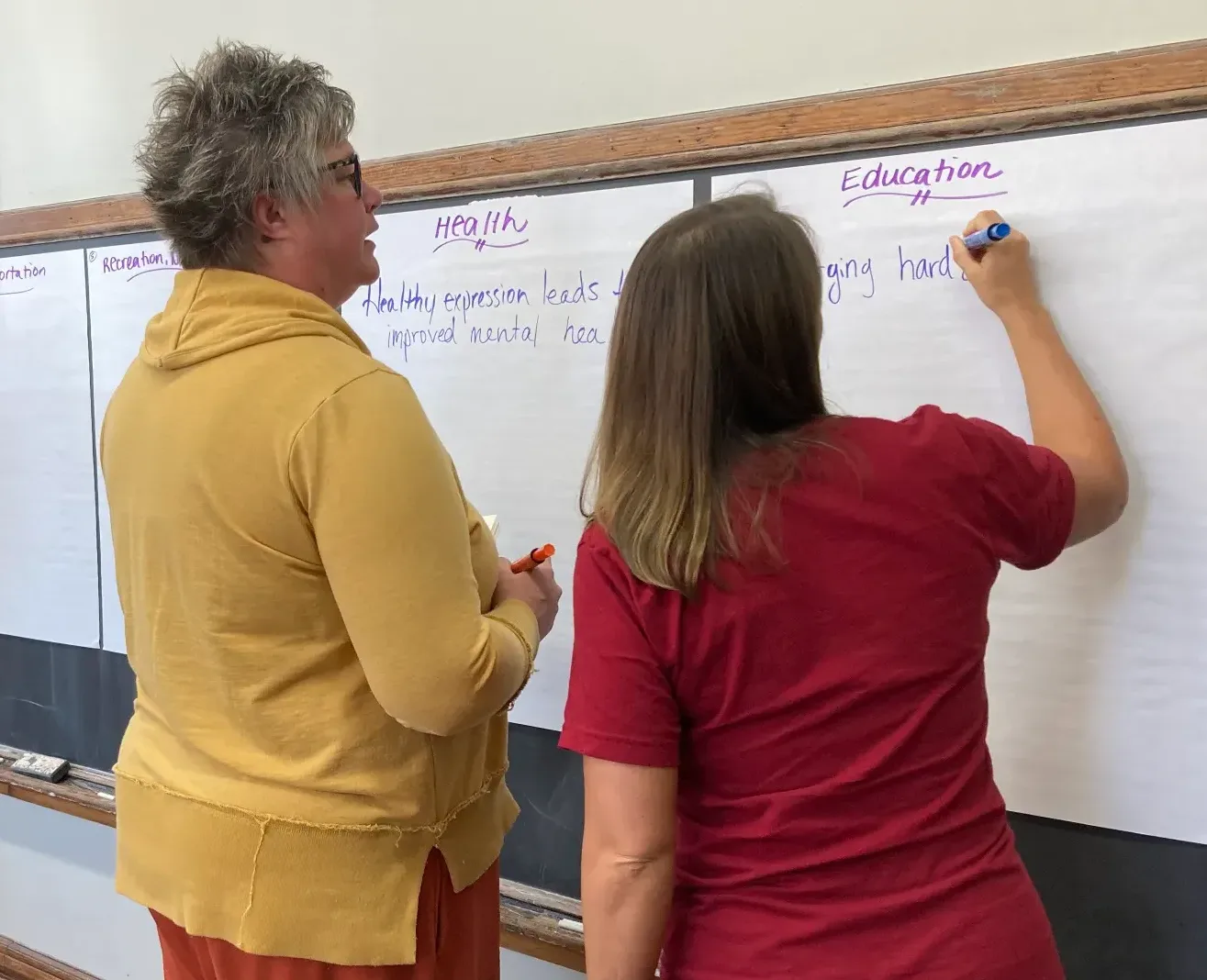
- The extensive staff, Board, community partner and supporter engagement throughout the process allowed for co-creation and meaningful contribution to the plan.
- Communications strategy and messaging were integrated into the process, resulting in consistent and compelling messaging for funders and other audiences around the plan.
- Clear steps were identified to continue to strengthen cross-departmental collaboration and contribution to Museum-wide goals during plan implementation.
Check out the two-page summary here: Natural Areas Program Strategic Plan.