Overview
Over the past few years, a small group of concerned Wayne County, Ohio citizens has been working with representatives of the City of Wooster to develop a set of guidelines to be used by those who wish to add pollinator friendly habitat to their residential yards, business property and public areas. In February of 2026, the City of Wooster approved a set of new guidelines that will dovetail with the existing weed ordinance and that will make it less problematic for Wooster residents to incorporate pollinator habitat and native plants in their landscaping.
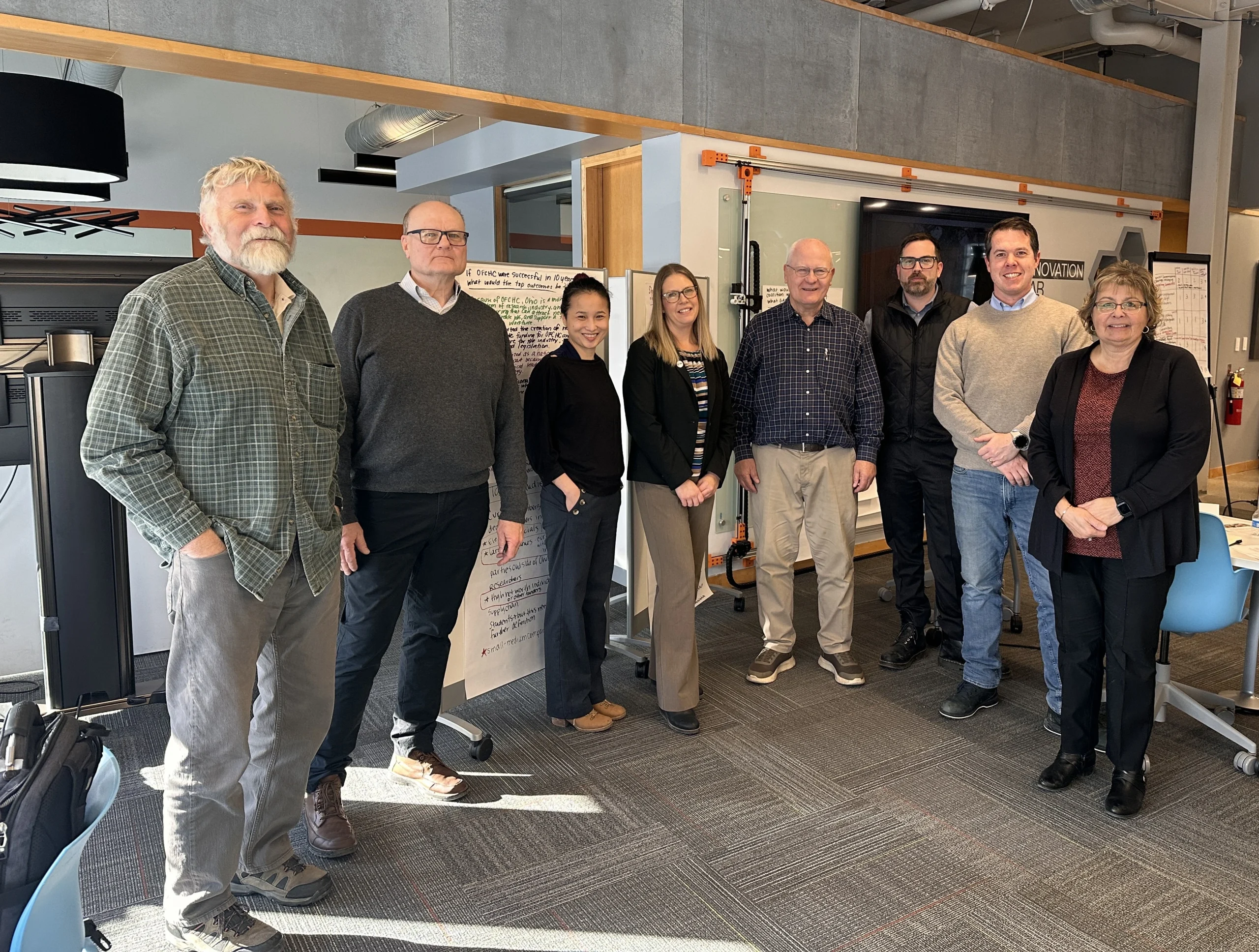
We are excited about the positive impact that these new policies could have on the environmental health of Wayne County. As such, Sustainable Economies joined an ad hoc planning committee that formed to spread the word to citizens, businesses and other organizations, in the hope that they will be inspired to adopt pollinator friendly landscaping practices.
Approach
The opportunity has inspired the committee to organize a workshop with the working title of “Promoting Native Pollinators and Plants in Wayne County”. The committee secured a small donation to cover the associated expenses for the workshop and the College of Wooster Office of Sustainability graciously agreed to assist with the logistics.
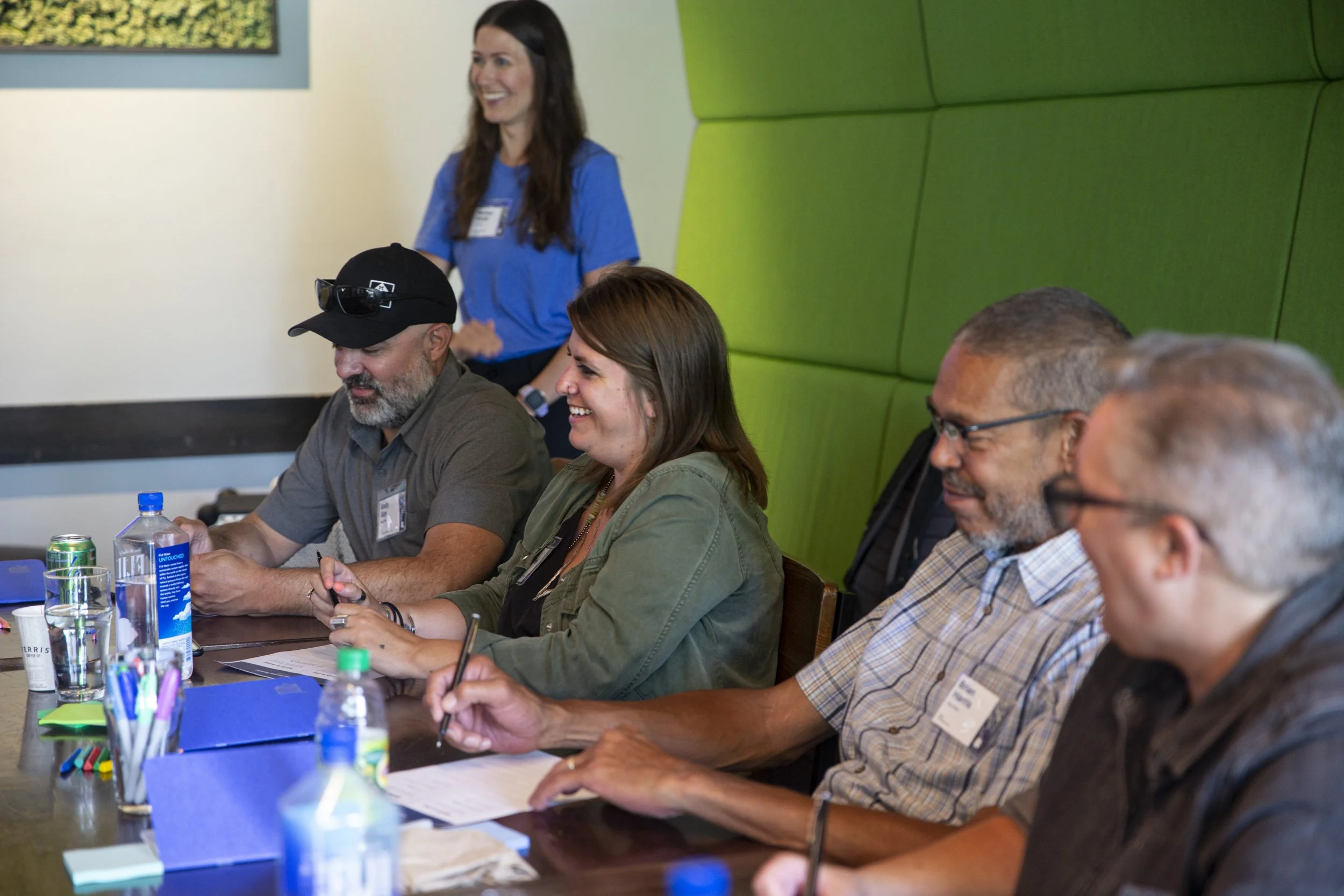
The workshop agenda was structured for one hour of presentation to give participants an overview of the topic and then two hours of interactive discussion to set a vision for the county, inventory assets, and set short-term, actionable priorities. The workshop took place in September 2026 at the College of Wooster.
The planning committee was grateful for two local organizations who presented at the workshop on success stories around backyard habitat, showing participants that backyard habitat is no longer a fringe idea, but a reality that is already happening. Presentations were led by:
- Christopher Chaney of Summit Metro Parks, who shared about their successful Wild Back Yards program
- Daniel Volk of The Wilderness Center, who shared lessons learned across multiple backyard habitat programs for residents and landowners.
Impact
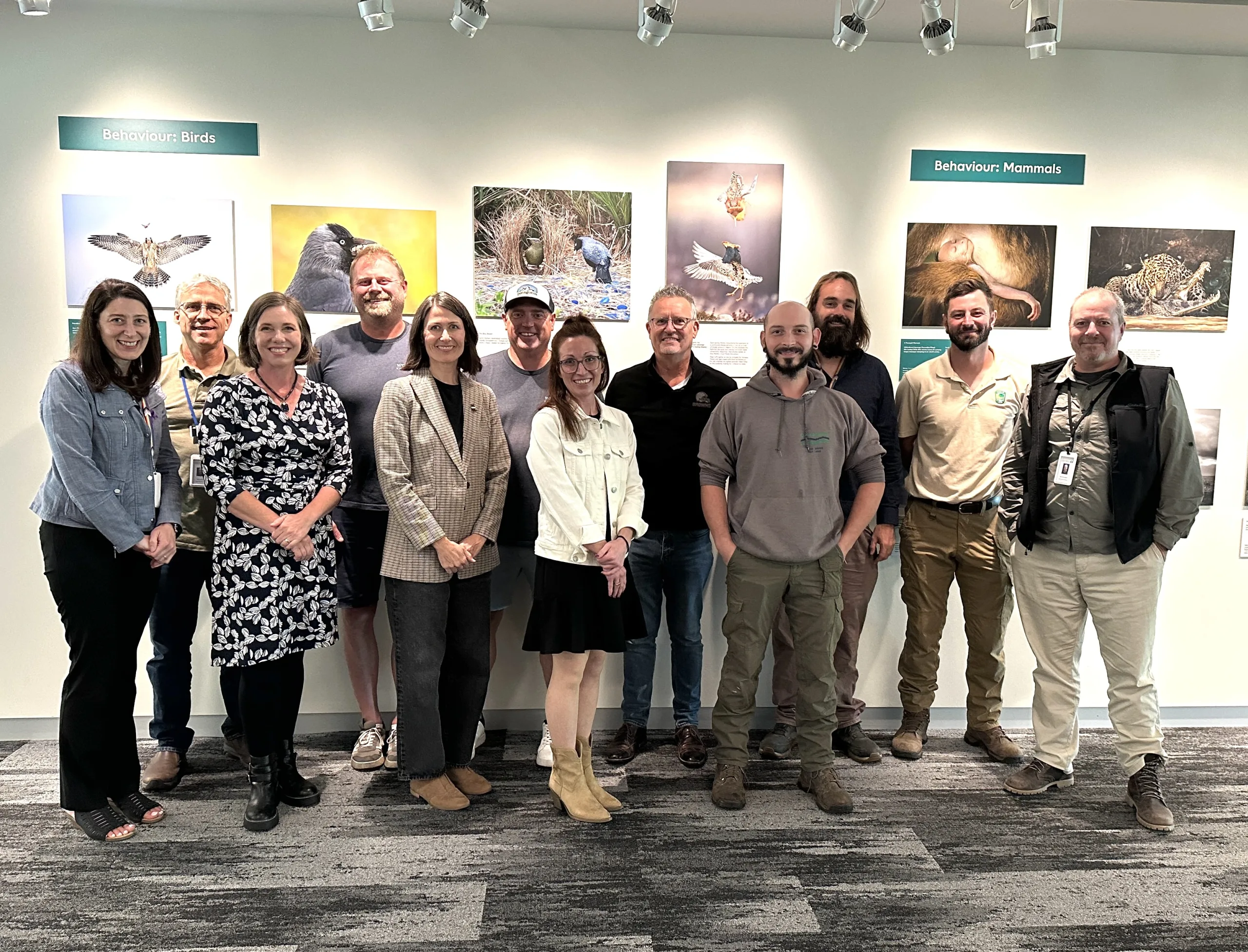
This workshop brought together 60 participants representing parks and recreation, local government, nonprofits, soil and water conservation districts, universities and concerned citizens. One exciting outcome of the workshop is that the participants want to continue to work on this issue and would like to form an alliance that meets regularly to share information and resources.
Another outcomes of the workshop is that Sustainable Economies compiled all workshop comments into a succinct report that was shared with all workshop participants and can be used to support future grant applications. Sustainable Economies was also honored to provide in-kind support for this workshop through facilitation and workshop planning.
Memorable quotes from the workshop:
When Christopher Chaney about Summit Metro Parks; successful Wild Back Yards program, he emphasized that converting your yard to natives can happen on a “gradient.” You can start anywhere with baby steps when it comes to native plants.
Daniel Volk shared in his presentation: “You can still have native plants and have them manicured.” Helping participants see that it’s easy to start with whatever yard they have now.
A representative of Ohio State University Extension – Wayne County – shared that beyond the pollination benefits, local farmers are also reporting “beneficial insects” – that eat the insects that damage crops, and have already led to lower use of insecticides.
It is also worth sharing several participant’s responses to the question: How will ecosystems and communities be better in 10 years, if we succeed in this work?
🌻“The paradigm has shifted – a majority of the public understands and values nature in as much area as possible.”
🌻“The next generation moving from acceptance to understanding and care of the non-manicured lawn.”
🌻“Providing mental health benefits for engaging in healthy environments which are sustainable and provide more imaginative engagement.”
🌻“In 10 years, there exists a desire and market for native landscaping and landscaping companies who focus on native plant gardening.”
🌻“More beautiful and beneficial places that support healthier people, wildlife, ecosystems and food systems.”
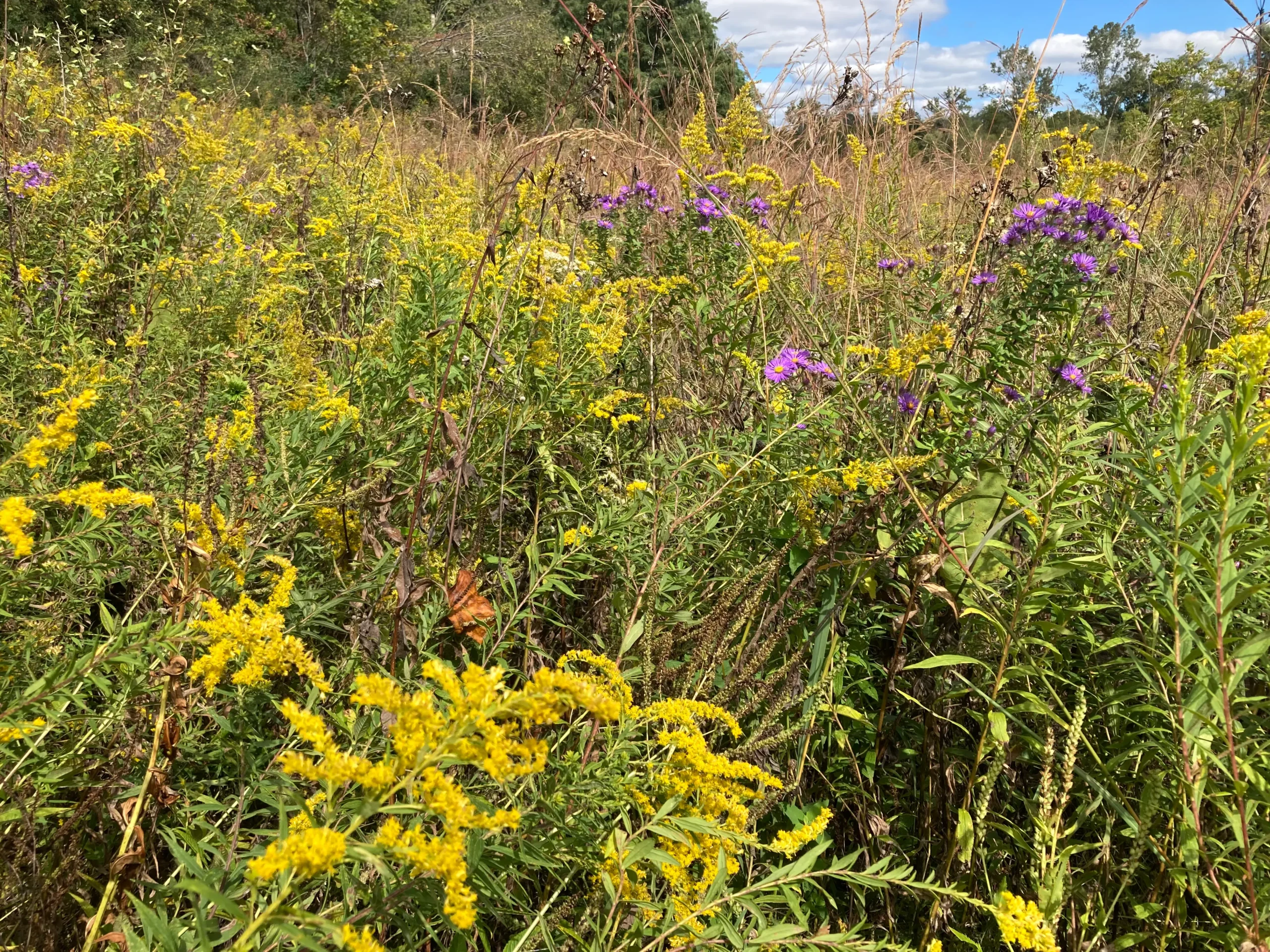
Photo credit: The photo for this project features a restored Ohio native prairie with goldenrod, located near the Killbuck Marsh Wildlife Area in Wayne County, OH.