Nonprofits, coalitions, and public organizations are better prepared to scale impact when you gradually collect evidence about your audiences and your programs over time.
By Elizabeth Schuster, Environmental Economist
Occasionally, nonprofit and public sector leaders have shared with me their hesitation around the phrase “evidence-based.”
I understand there are legitimate concerns.
- Many past definitions of “evidence” have not included lived experience
- Qualitative elements of program impact can feel impossible to capture using evidence-based approaches
- There may be a history of unreasonable funder expectations for evidence without providing funds to pay for research
Plus, many leaders find that responding to day-to-day issues are more urgent than applied research. This can mean always pushing off data and analysis for the future.
What if we’re getting caught up in semantics and missing the plot?
Evidence-based approaches can feel unattainable if we are rigid in our definition. But evidence does not have to mean only academic studies published in peer-reviewed journals.
Your organization gets to define what counts as evidence for your audiences, programs and mission. Perhaps instead, it helps to think of the approach as a structured process for reviewing information.
You can start collecting evidence today through one applied research project at a time.
APPLIED RESEARCH TO INFORM STRATEGY
Years ago, I worked with a coalition of nonprofit and public organizations in a county along the Delaware Bay that was recovering from a hurricane. Many government officials across the county believed that nature-based tourism should not be part of the recovery strategy because it was too rurally focused and not a viable economic driver.
The coalition completed an economic impact assessment (a type of applied research) of nature-based tourism and were surprised by the results. Among visitors to the Delaware Bayshore, more than half of those surveyed spent money at a local business and the top reason for visiting was wildlife viewing. This information was critical in helping the coalition scale their nature-based tourism strategy.
Bottom line: It is easier to scale your impact when you have data on what works and what your audiences care about.
You can right-size the applied research to fit your budget and needs. Research does not need to be perfect. Starting somewhere is better than nothing – and here are five places to get started today.
FIVE EXAMPLES OF APPLIED RESEARCH PROJECTS
Applied research projects are a useful entry point for gathering evidence because they are finite and can feel more manageable than developing more complicated data systems.
Applied research projects are a tool to start answering your top questions around your audiences and programs.
Below are five examples of applied research projects that your organization could pursue to gather the evidence needed to grow, replicate a model, or secure larger funding amounts.
One: Assessing the total economic, social, and/or ecological impact of your programs
- The Focus: Translating mission-driven work into the language of broader economic and social outcomes, while integrating ecological outcomes in a holistic approach.
- Key Questions:
- How is nature benefitting communities and the local economy?
- What is the direct link between our programs and key outcomes?
- While we know our programs have many positive outcomes, which are the most measurable social and economic outcomes from our programs?
- Examples:
Two: Evaluating program success
- The Focus: Measuring the effectiveness of programs via external and internal metrics.
- Key Questions:
- Are we meeting our own goals with the current strategies we have, or do we need to adjust our strategies to have more impact?
- Which programs are the most aligned with our mission and goals?
- What are the best metrics to use to track progress towards our strategic plan goals?
- Example:
- National Aquarium – Creating an Evaluation & Prioritization System (link here)
Three: Understanding your audience
- The Focus: Understanding what matters to your audiences
- Key Questions:
- How does our community define “success” for themselves? What do they value?
- What barriers to access exist? What are our blind spots?
- What language resonates with our key audiences?
- Examples
Four: Objective insights on feasibility, costs and risks
- The Focus: De-risking the future. Cost, risk, and feasibility assessments.
- Key Questions:
- Is there a genuine appetite for this, and what are the hidden pitfalls?
- Let’s do a pre-mortem. If this program fails, why might it fail? Can we assess risks before the program is launched and find ways to mitigate those risks?
- What are the full costs for this program?
- Examples
Five: The sector blueprint (frameworks & guidebooks)
- The Focus: Scaling your impact by sharing “how-to’s” and tool kits
- Key Question:
- How can our local success become a model for the entire field?
- How can our solution be replicated across more counties?
CONCLUSION
Instead of feeling overwhelmed by the standards associated with evidence-based approaches, what if you start with just one research project to help test assumptions? Testing assumptions before you scale is critical to making sure you are delivering on your mission and the promise you make to communities.
Research projects are a form of adaptive management that ensure you continue to make informed decisions and that your programs are successful and that outcomes are aligned with your mission. It is easier to pivot and adjust iteratively as you go. This helps your organization scale your impact more effectively and access new funding as well.
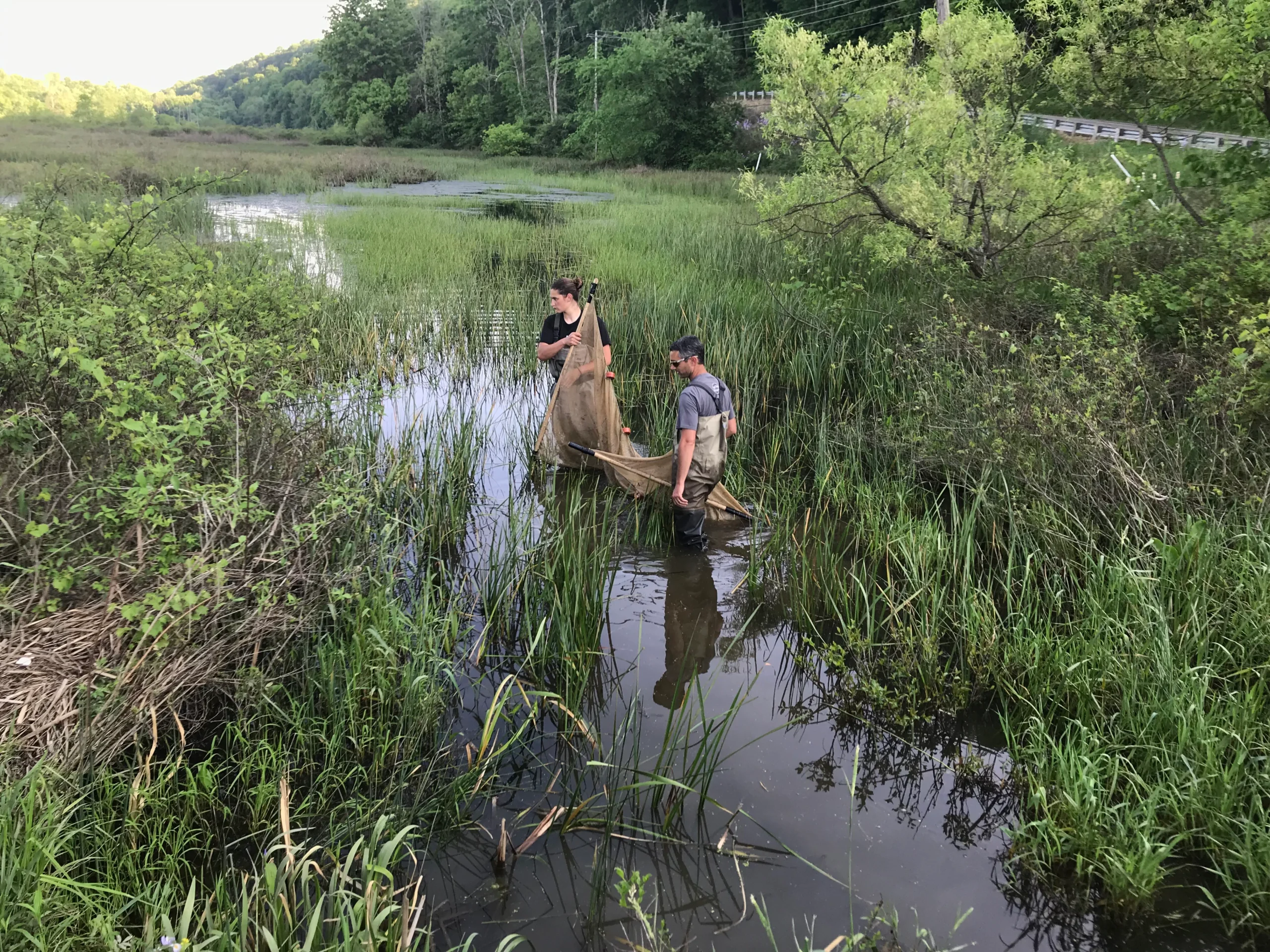
Cover image courtesy of Killbuck Watershed Land Trust.
Elizabeth Schuster is an environmental economist who partners with organizations that benefit the environment, community wellbeing, and the economy. Her work supports park districts, land conservation organizations, environmental coalitions, public gardens, nature centers, and more.